
In Nigeria, the demand for Apple iTunes card exchange arises from a mix of practical needs and local financial constraints. Many users receive iTunes cards as gifts but may not regularly use Apple’s ecosystem services like the App Store, Apple Music, or iCloud storage, prompting them to convert these cards into local currency (Naira) for daily expenses. Additionally, limited access to international payment methods and restrictions on foreign currency transactions often lead users to rely on iTunes card exchanges as an alternative way to access funds or transact for digital goods and services within the country.
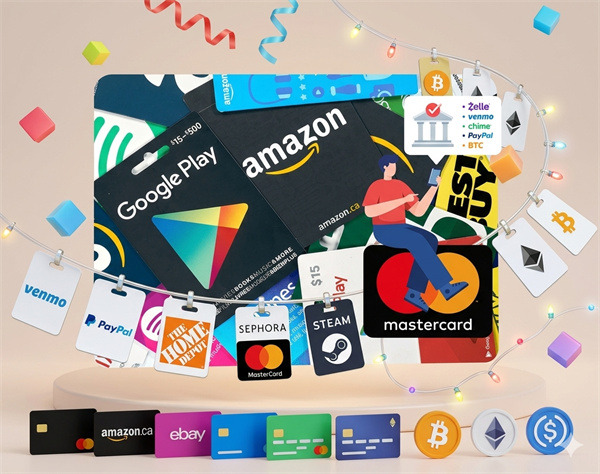
When engaging in iTunes card exchange in Nigeria, users must prioritize safety to avoid prevalent scams. Common risks include fake buyers who refuse to pay after receiving card details and sellers who provide invalid or used cards. To mitigate these, users should opt for peer-to-peer (P2P) platforms with escrow services that hold funds until both parties confirm the transaction is complete, verify the counterparty’s reputation through reviews, and only transact with unscratchable cards that have valid expiration dates. Avoiding offline transactions with unknown individuals is also critical to prevent fraud.
Regulatory compliance is another essential consideration for iTunes card exchange in Nigeria. The Central Bank of Nigeria (CBN) enforces strict foreign exchange rules to maintain currency stability, and some informal exchange practices may fall into gray areas. Users should avoid large-scale exchanges without proper documentation and opt for channels that operate within legal frameworks. Staying updated on the latest CBN guidelines helps users avoid legal repercussions while accessing the benefits of iTunes card exchange.
Practical tips can further enhance the efficiency of iTunes card exchange in Nigeria. First, check current exchange rates from multiple trusted sources to ensure a fair deal, as rates fluctuate with market demand. Second, keep detailed transaction records—including card screenshots, payment confirmations, and communication logs—to resolve disputes quickly. Finally, start with small transactions to build trust with a new counterparty before engaging in larger exchanges, reducing the risk of significant losses.